
Custom Wildfire Defense System Design
Private site assessments, CitroSafe system planning, and seasonal CitroTech treatment options for high-value mountain homes in wildfire country.
Designed around the home, the site, the architecture, and the owner's priorities.
Big Sky Fire Defense designs wildfire defense systems around the home, the site, the architecture, and the owner's priorities — not around a one-size-fits-all sprinkler package.
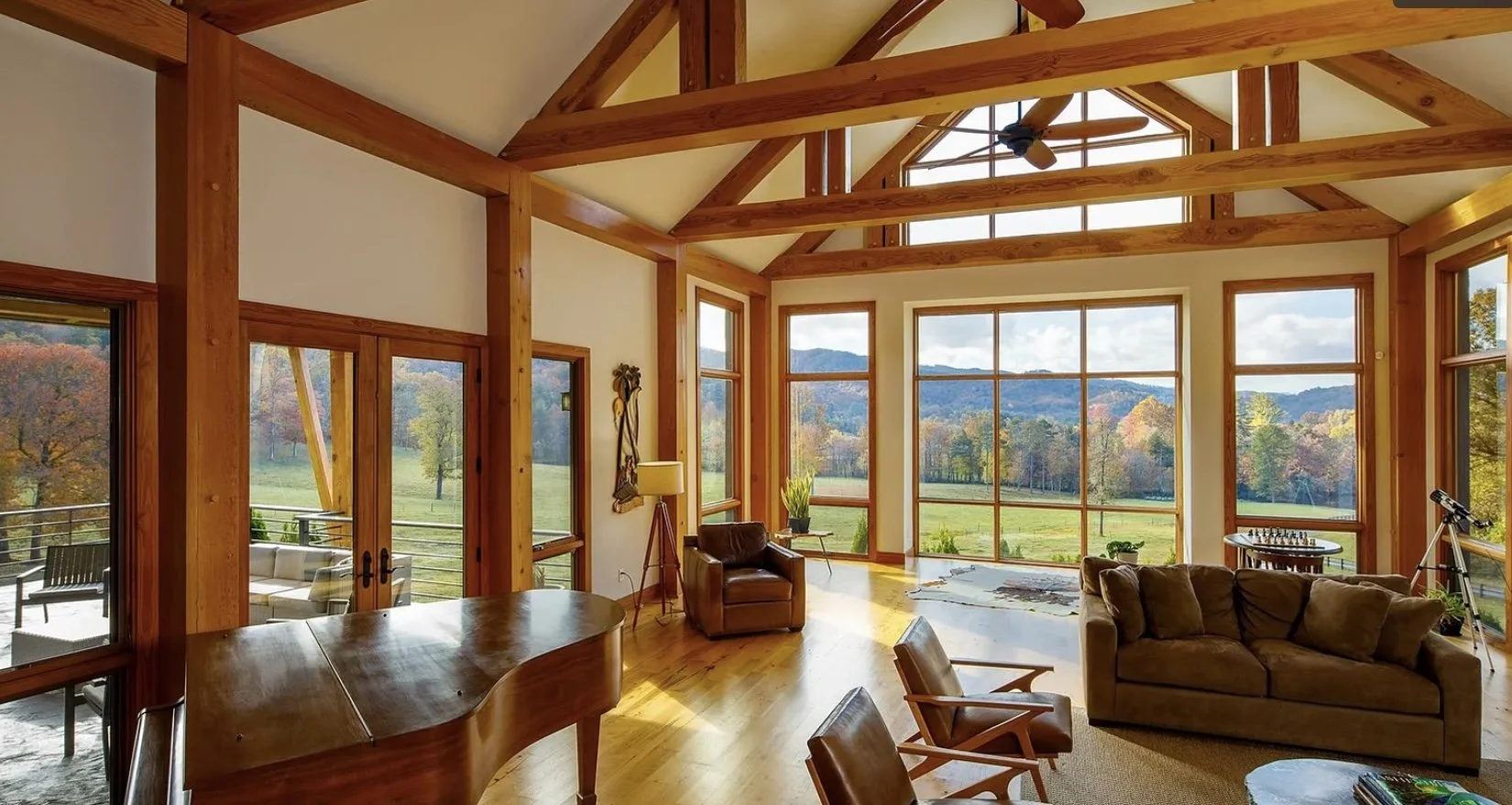
High-value mountain homes are different. They often include complex rooflines, large decks, exposed timber, natural siding, detailed landscaping, long driveways, steep slopes, remote access, and views that are part of the property's value.
A wildfire defense system should help protect the home without compromising the design of the property.
That is why custom design matters.
Big Sky Fire Defense works with homeowners, property managers, builders, architects, and HOA representatives to evaluate wildfire exposure and design practical protection options. Depending on the property, that may include a permanent CitroSafe exterior wildfire defense system, seasonal CitroTech fire-inhibitor treatment, or a broader layered wildfire defense plan.
Schedule a Private Wildfire Defense Assessment
Schedule a Private Wildfire Defense AssessmentBuilt From Custom Home Experience
Big Sky Fire Defense was founded by a custom home builder with nearly 30 years in the trades and high-end residential construction.
That experience shapes how we approach wildfire defense system design.
A wildfire defense system is not just a product. It has to fit the structure, the site, the materials, the access, the owner's expectations, and the way the property actually functions.
Rooflines, decks, siding, exterior finishes, windows, eaves, mechanical spaces, landscaping, drainage, utility areas, and service access all affect the final design.
The same construction judgment that goes into building a custom home should go into protecting one.
For high-value homes, the system needs to be practical, serviceable, visually appropriate, and designed around real site conditions. It cannot look like an afterthought.
Why Custom Design Matters
No two mountain homes defend the same way.
A home tucked into timber on a steep slope may need a different approach than a home with open grassland exposure, heavy landscaping, or a long driveway through fuels. A second home managed by a caretaker may need a different activation and service plan than a full-time residence.
During the design process, Big Sky Fire Defense looks at the whole property, not just where sprinkler heads might go.
We evaluate the home's vulnerable areas, surrounding fuels, access, water dependency, power, storage locations, aesthetics, and the owner's goals.
The goal is not to cover the property with hardware.
The goal is to create a wildfire defense plan that makes sense for that specific home.
What We Evaluate During a Private Assessment
A private wildfire defense assessment helps determine what level of protection is practical for the property.
During the assessment, Big Sky Fire Defense may review:
- Driveway access and fire department access
- Slope, terrain, and surrounding fuel conditions
- Vegetation near the home
- Zone 0 and the first five feet around the structure
- Decks, stairs, railings, and exposed timber features
- Siding, eaves, soffits, windows, and roofline exposure
- Roof type and roof-mounted system limitations
- Fences, gates, outbuildings, or nearby combustible features
- Propane, utility, and mechanical areas
- Possible tank and pump locations
- Power availability and activation options
- Sprinkler head placement and coverage priorities
- Seasonal CitroTech treatment opportunities
- Permanent CitroSafe system feasibility
- Aesthetic concerns and landscape integration
- Property manager, caretaker, builder, or HOA coordination needs
This process helps identify whether the property is best served by a permanent system, seasonal treatment, home-hardening improvements, or a combination of wildfire defense layers.
Perimeter and Landscape-Integrated Systems
For most high-value mountain homes, Big Sky Fire Defense prefers perimeter and landscape-integrated systems when site conditions allow.
A perimeter system is designed to help treat vulnerable areas around the home, nearby vegetation, approach zones, and exterior exposure points before wildfire reaches the structure.
In many cases, supply lines can be buried and routed through the landscape so the visible portions of the system are limited to carefully placed risers or spray points. This allows the system to function without dominating the architecture of the home.
Depending on the property, a perimeter or landscape-integrated system may include:
- Buried supply lines
- Discreet risers
- Copper or other durable exposed components where appropriate
- Brass sprinkler heads
- Custom sleeves or covers
- Landscape-integrated spray points
- Dedicated CitroTech storage
- Dedicated pump equipment
- Manual and remote activation options where appropriate
The goal is to create a system that protects key areas without making the property look like it was retrofitted by accident.
A system can be technically functional and still be wrong for the property.
Design matters.
Designed to Belong on the Property
High-value homes require a higher level of design sensitivity.
The equipment needs to work, but it also needs to belong.
Big Sky Fire Defense considers tank placement, pump location, riser visibility, sprinkler head placement, landscape integration, service access, architecture, and owner expectations during the planning process.
For many properties, that means looking for ways to keep the system clean and discreet. Tanks may need to be placed where they are protected and accessible without becoming the first thing you see when you arrive. Risers may need to blend into landscape beds, stonework, native vegetation, or custom sleeves. Piping may need to be routed carefully to avoid unnecessary visual clutter.
The goal is not to hang pipes and sprinklers all over a beautiful home.
The goal is to design a wildfire defense system that respects the property it is helping protect.
Structure-Mounted Systems
Some homes may require targeted structure-mounted protection.
This may include coverage for vulnerable walls, eaves, deck areas, exposed timber details, or specific exterior surfaces where perimeter coverage alone is not enough.
Structure-mounted systems must be approached carefully. On high-end homes, exposed piping, visible brackets, and poorly placed sprinkler heads can damage the look of the property.
When structure-mounted components are appropriate, Big Sky Fire Defense looks for practical ways to keep the installation clean, durable, and visually controlled.
The design should serve the home, not scar it.
Roof-Mounted Systems
Roof-mounted wildfire sprinkler systems may make sense in limited situations, but they are not our default recommendation for most high-value homes.
For many properties, the better baseline is a Class A noncombustible roof combined with defensible space, home hardening, seasonal treatment where appropriate, and a perimeter or landscape-integrated wildfire defense system.
Visible roof-mounted piping and sprinkler heads can create aesthetic concerns, maintenance issues, and design conflicts on custom homes.
That does not mean roof-mounted systems are never considered. It means they should be used carefully and only when they make sense for the property.
For most high-value homes, Big Sky Fire Defense would rather design a cleaner exterior defense strategy than turn the roof into a sprinkler rack.
Coordinated With the Right Trade Partners
A wildfire defense system is only as good as its design, installation, and ability to perform when conditions are bad.
Big Sky Fire Defense works closely with pump suppliers, licensed plumbers, and qualified trade partners when planning permanent CitroSafe systems.
Pump selection, tank capacity, supply lines, pressure, flow, controls, and installation details all need to work together. The system must be matched to the property, the spray zones, the storage requirements, and the practical realities of the installation.
This coordination matters.
A permanent wildfire defense system should not be guessed together from random parts. It should be properly planned, professionally coordinated, and installed with the same level of care expected on a high-value home.
How CitroSafe Differs From Water-Based Wildfire Sprinklers
Water-based wildfire sprinkler systems are designed to wet surfaces before or during a wildfire threat. That can help in some conditions, but water has limits.
Water can evaporate quickly in heat, wind, and low humidity. Wells may lose power. Municipal systems may lose pressure. Hoses require someone to be present and able to operate them during a stressful event.
CitroSafe systems are designed around dedicated CitroTech fire-inhibitor solution, dedicated storage, and dedicated pump equipment.
Instead of only wetting the property, the goal is to coat key exterior surfaces, vegetation, and vulnerable approach zones before wildfire reaches the home.
Water is temporary.
CitroTech is designed to coat.
A CitroSafe system is not a replacement for defensible space, home hardening, or responsible maintenance. It is another layer in a broader wildfire defense plan.
Compare CitroSafe with water-based wildfire sprinkler systemsPermanent System or Seasonal CitroTech Treatment
Not every property needs or wants a permanent system immediately.
For some homeowners, seasonal CitroTech fire-inhibitor treatment may be the right first step. Big Sky Fire Defense can apply CitroTech to vegetation, combustible materials, and vulnerable exterior areas before peak wildfire season.
Seasonal treatment may be a strong option for:
- Owners who want protection without installing a permanent system
- Second homes or vacation properties
- Properties waiting on a permanent system design
- Homes with heavy vegetation near the structure
- HOAs or neighborhood groups evaluating wildfire protection options
- Property managers responsible for multiple homes
- Owners who want an added layer before fire season
Seasonal CitroTech treatment can also supplement a permanent system by treating nearby vegetation, timber features, fences, or other vulnerable areas that may not be fully addressed by fixed sprinkler placement.
For many homes, the best plan is layered.
Defensible space, home hardening, seasonal treatment, and permanent exterior defense systems can all play a role.
What the Owner Receives From the Design Process
After a private wildfire defense assessment, Big Sky Fire Defense can help identify practical next steps for the property.
Depending on the site, that may include:
- Site observations
- Recommended wildfire defense approach
- Seasonal CitroTech treatment options
- Permanent CitroSafe system concept
- Tank and pump location considerations
- Priority protection areas
- Aesthetic and landscape integration considerations
- Home-hardening observations
- Property manager, builder, or HOA coordination needs
- Next-step proposal when appropriate
The goal is to give the owner a clear path forward.
Not every property needs the same system. Not every home needs the most complicated option. The right plan is the one that matches the property, the exposure, the budget, and the owner's priorities.
Frequently Asked Questions
Is this the same as a lawn sprinkler system?
No. A CitroSafe exterior wildfire defense system is not a lawn irrigation system. Lawn sprinklers are designed to water grass. A wildfire defense system is designed around wildfire exposure, vulnerable areas of the home, vegetation, spray coverage, storage, pump performance, and site conditions.
Do you recommend roof-mounted wildfire sprinkler systems?
Not usually as the first choice for high-value homes. Roof-mounted systems may be considered in limited situations, but we generally prefer a Class A noncombustible roof as the baseline, combined with perimeter or landscape-integrated protection when site conditions allow.
Can the system be hidden or blended into the property?
Often, yes. That is one of the major goals of custom design. Buried lines, discreet risers, custom sleeves, landscape integration, thoughtful tank placement, and coordinated installation can help the system fit the property instead of distracting from it.
Does a CitroSafe system rely on city water or a well?
CitroSafe systems are designed around dedicated CitroTech storage and dedicated pump equipment. This helps reduce reliance on municipal water, well pressure, garden hoses, or someone being on site during an emergency.
What is CitroTech?
CitroTech is a fire-inhibitor solution used in CitroSafe wildfire defense systems and seasonal treatment applications. Big Sky Fire Defense uses CitroTech as part of a layered wildfire defense strategy for homes and properties in wildfire-exposed areas.
What if I do not want a permanent system?
Seasonal CitroTech treatment may be a practical option. This service can treat vegetation, combustible materials, and vulnerable exterior areas before peak fire season. It can be used as a standalone layer or as a supplement to a permanent system.
Is this a replacement for defensible space?
No. A wildfire defense system should be part of a layered plan. Defensible space, Zone 0 improvements, home hardening, vegetation management, maintenance, seasonal treatment, and permanent systems all work together.
Do you work with builders, architects, property managers, and HOAs?
Yes. Big Sky Fire Defense can coordinate with builders, architects, property managers, caretakers, HOA representatives, and qualified trade partners during the assessment and design process.
Do you provide standard system packages?
No. High-value mountain homes are not cookie-cutter properties. System design depends on the home, terrain, vegetation, architecture, exposure, available storage locations, pump requirements, aesthetics, and the owner's goals.
Schedule a Private Wildfire Defense Assessment
If you own, manage, design, build, or represent a high-value mountain home in wildfire country, Big Sky Fire Defense can help evaluate the property and design a practical protection plan.
Options may include seasonal CitroTech fire-inhibitor treatment, a permanent CitroSafe exterior wildfire defense system, or a broader wildfire hardening plan based on the home and site conditions.
Schedule a Private Wildfire Defense AssessmentServing Big Sky, Bozeman, Whitefish, Missoula, the Bitterroot Valley, Georgetown Lake & select wildfire-exposed mountain communities